Earlier in Maus II, we see Art have a hard time managing what he calls “survivor’s guilt”. He clearly admits a sense of guilt or sorrow for not having gone through the same tragedy that his father and other relatives had to go through. That idea comes into great contrast with Art’s actions during the last chapters of Maus II. In my opinion, somehow who actually feels such guilt, to the point that they must go to a psychiatrist like Art did, would spend as much time as possible trying to make it up to their father. Yet in Chapter 4, we repeatedly see Art acting selfishly, choosing to inconvenience his father over himself. For example, he refuses to move in with his father as in his opinion his father paying for an in house nurse is much better than inconveniencing his own life. Further, he changes the topic of conversation when Vladek asks him to install his windows, eventually saying that Vladek should “pay a bit more for heat for a few days longer” rather than inconvenience his son. Finally, rather than discuss issues that are actually relevant to Vladek’s life such as his deteriorating health or his relationship with Mala, Art prefers to discuss the events of the Holocaust so that he can finish his book. This battle between guilt and selfishness really caught my attention because it is hard to believe he feels so guilty, which it seemed he did during the psychiatrist scenes, when he comes back and acts so unconcerned towards his father.

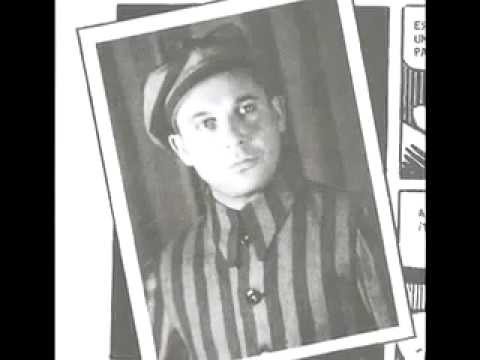
In chapter five of Maus II, we see a profound change in the direction of the “emotions” the author is trying to illicit. Art Spiegelman adds an actual image of Vladek adorned in the striped garments that the holocaust is known for. Previously in the graphic novel all the Jews were depicted as similar looking mice, with barely any distinguishable features. The addition of this image gives the reader a much more intimate relationship to the graphic novel and to Vladek as an individual. This contrasts the previous relationship with an anonymous mass of people indistinguishable from one another. Throughout the graphic novel we have pictured the pain and suffering experienced by Vladek, but as a mouse. Now that we have seen an actual image we can associate the pain and suffering with a human face. This is because we can empathize more easily with a human than with a mouse.